Sunday, February 22, 2009

Known about chocolate flavor


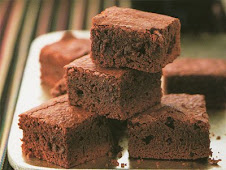
Chocolate has become one of the trendiest flavors in the world. It is a ordinary ingredient in many snacks and deserts, including cookies, cake, ice cream, pudding, pieand candy. Several types of chocolate can be distinguished. Pure, unsweetened chocolate contains primarily cocoa solids and cocoa butter in varying size. Much of the chocolate consumed today is in the form of sweet chocolate, combining chocolate with sugar. Milk chocolate is sweet chocolate that in addition contains milk powder or condensed milk. "White chocolate" contains cocoa butter, sugar, and milk but no cocoa solids. Dark chocolate is formed by adding fat and sugar to the cacao mixture. Unsweetened chocolate is pure chocolate liquor, also known as bitter or baking chocolate. It is unadulterated chocolate: the pure, ground, roast chocolate beans impart a strong, deep chocolate flavor.

Sunday, February 15, 2009

Feel good about the flavored milk


Flavored milk can make a difference in how much milk your children drink. It's fun and it tastes good. It's also very nutritious. Like all milk, flavored milk is a rich source of calcium, protein, vitamin D, vitamin A, vitamin B12, phosphorus, riboflavin, potassium and niacin. Milk's nutrients, especially calcium, are essential for developing strong bones and teeth. Each 8-ounce serving of white or flavored milk provides 300 mg of calcium, about one-third to one-fourth of children's daily calcium requirement. Children drink extra sodas and fruit drinks, and less milk, as they get older. These sweetened drinks represent the single, leading source of added sugars in children's diets, contributing 24 percent or one-fourth of added sugars that children consume. In comparison, flavored milk contributes a very small percentage - only 2 percent - of added sugars.

Sunday, February 8, 2009

Alcohonic and non-alcohonic beverages


An alcoholic beverage is a drink containing ethanol, usually known as alcohol, although in chemistry the definition of an alcohol includes many other compounds. Alcoholic beverages, such as wine, beer, and liquor have been division of human culture and development for 8,000 years.

Non-alcoholic beverages are drinks that would usually contain alcohol, such as beer and wine but are made with less than .5 percent alcohol by volume. The category includes drinks that have undergone an alcohol removal process such as non-alcoholic beers and de-alcoholized wines.

  • Non-alcoholic variants:
    • Low alcohol beer
    • Non-alcoholic wine
    • Sparkling cider


Thursday, February 5, 2009

Known about flavored bottled water


Flavored Bottled and tap water are equally safe with similar regulatory oversight. Unless fortified, bottled water offer no significant nutritional advantage and the excessive use may have a negative impact on the environment. On the other hand, the increased availability of bottled water has been helped encourage greater consumption of water, typically at the expense of sugary beverages, which is a positive trade-off.

Monday, February 2, 2009

Services for bottled waters

It is not special for business, or sometimes individual, customers to subscribe to a bottled water service. Instead of selling drinking water in small individual-use bottles, the service supplies it in large, reusable (in the USA, typically 5 US gallons) containers. The containers are installed on a dispenser (or "cooler") which chills or heats the water and usually has valves on the front for dispensing. This practice eliminate the issue of disposing of packaging for individual serves while still providing the same product.

Thursday, January 29, 2009

Soft serve mixed with flavored syrup


Some fast-food restaurants such as Dairy Queen serve milkshakes which are prepared by blending soft-serve ice cream ice milk with sweetened, flavored syrups such as chocolate syrup and fruit-flavored syrup and milk. While these milkshakes are hand-blended, the make use of soft-serve ice cream marks these beverages as fast-food products. Soft serve ice cream is a frozen dessert that is dispensed from a machine. It was invented by a chemical research team in Britain that discovered a method of doubling the amount of air in ice cream, allowing manufacturers to use a lesser number of ingredients, reducing costs.

Monday, January 26, 2009

Flavored Milk shakes


- root beer float is a concoction made of half vanilla shake and half root beer soda. Be sure to identify whether you want it creamier or soda-ey.

- neopolitan shake is a combination of chocolate, vanilla, and strawberry flavored shakes. If an order contains a shake of each flavor, this is called "Around the world."

- chocolate, and vanilla can be joint in any way, ie, just chocolate and vanilla, chocolate-strawberry, etc.

- can ask for extra syrup in your shake (ie extra chocolate or strawberry)

- and extra large shakes are also obtainable. The cup size for these shakes is one below soft drinks (i.e. a large shake is a medium soft drink cup, while an extra large shake is a large soft drink).

Friday, January 23, 2009

New types of flavored water


New types of flavored and/or nutrient-added waters have begun to become visible in stores and on food service menus. Some are just bottled water with flavoring; others may also contain added nutrients such as vitamins, electrolytes like sodium and potassium, and amino acids. The bottled water ingredients of these flavored and nutrient-added waters should meet the bottled water requirements if the term "water" is highlighted on the labels. In addition, the flavorings and nutrients added to these beverages must comply with all applicable FDA (Food and Drug administration) safety requirements and they should be identified in the ingredient list on the label.

Tuesday, January 20, 2009

Ecological effects in coffee


Originally, coffee farming was done in the shade of trees, which provide habitat for many animals and insects. This method is normally referred to as the traditional shaded method. Many farmers have decided to modernize their production methods and switch to a method where farmers would now use sun cultivation, in which coffee is grown in rows under full sun with little or no forest canopy. This causes berries to ripen more quickly and bushes to produce higher yields, but requires the clearing of trees and increased use of fertilizer and pesticides. Traditional coffee production, on the other hand, cause berries to ripen more slowly and produced lower yields, compared to the modernized method, but the quality of the coffee is allegedly superior. In addition, the traditional shaded method is environmentally friendly and serves as a habitat for several species. Opponents of sun cultivation say environmental troubles such as deforestation; pesticide pollution, habitat destruction, and soil and water degradation are the side effects of these practices. However, while certain types of shaded coffee cultivation systems show greater biodiversity than full-sun systems, they still compare poorly to native forest in terms of habitat value.
Another issue concerning coffee is its use of water. According to New Scientist, it takes about 140 litres of water to grow the coffee beans required to produce one cup of coffee, and the coffee is often grown in countries where there is a water shortage, such as Ethiopia.

Monday, January 19, 2009

Reasons to drinking water

- Water is completely essential to the human body’s survival. A person can live for about a month without food, but only about a week without water.

- Water helps to maintain healthy body weight by increasing metabolism and adaptable appetite.

- Water leads to increased energy level. The most ordinary cause of daytime fatigue is actually mild dehydration.

- adequate amounts of water can decrease the risk of certain types of cancers, including colon cancer, bladder cancer, and breast cancer.

- for a majority of sufferers, drinking water can significantly reduce joint and/or back pain.

- Water leads to overall greater health by flush out wastes and bacteria that can cause disease.

- Water can prevent and alleviate headaches.

- Water naturally moisturizes skin and ensure proper cellular formation underneath layers of skin to give it a healthy, glowing appearance.

- Water aids in the digestion process and prevents constipation.

- Water is the main mode of transportation for all nutrients in the body and is essential for proper circulation.

Friday, January 16, 2009

Purified water

Purified water is water from any basis that is physically processed to take away impurities. Distilled water and deionized water have been majority general forms of purified water, but water can also be purified by other processes including reverse osmosis, carbon filtration, micro porous filtration, ultra filtration, ultraviolet oxidation, or electron dialysis. In recent decades, a combination of the above processes have come into apply to generate water of such high purity that its sketch contaminants are measured in parts per billion or parts per trillion. Purified water has many uses, largely in science and engineering laboratories and industries, and is produced in a range of purities.

Tuesday, January 13, 2009

Known about flavored water


Flavored water is a category of beverage that is water enhanced with natural flavors, herbs, vitamins, and/or sweeteners and usually lowers in calories than non-diet commercial soft drinks. A soft drink is a drink that contains no alcohol, as opposed to a hard drink, which does contain alcohol. In common, the term is used only for cold beverages. The term originally referred to carbonated drinks. The flavored water category of beverage continues to grow in popularity every year and is the fastest growing segment of the still beverage category.

There are hundreds of companies producing flavored bottled water in United States. They vary from zero calorie organically certified beverages flavored with usual herb extracts.

Friday, January 9, 2009

Need to know about bottled mineral water

Mineral water is groundwater that have emerged from the ground and flowed over rock. Treatment of mineral water is restricted to removal of unbalanced elements such as iron and sulfur compounds. Treatment for such minerals can only expand to filtration or decanting with oxygenation. Free carbon dioxide may be removed only by physical methods, and the regulations for introduction of CO2 are severely defined. Disinfection of natural mineral water is fully prohibited, including the addition of any element that is likely to change bacterial colony counts. If natural mineral is effervescent, it should be labeled accordingly, depending on the origin of the carbon dioxide:

  • Naturally carbonated normal mineral water
  • Natural mineral water fortified with gas from the spring
  • Carbonated normal mineral water

Spring water is also derived from groundwater sources, but is collected by means of a well – in practice, often a borehole. Spring water may be focus to various kinds of treatment prior to bottling. The same chemical and microbiological parametric quality regimes apply to both types of waters.

Monday, December 29, 2008

Water cycle

The water cycle refers to the continuous exchange of water within the hydrosphere, among the atmosphere, soil water, outside water, earth water, and plants. Water chains moves perpetually through each of these regions in the water chain consisting of following transmit processes:
Evaporation from oceans and other water bodies into the air and transpiration from land plants and animals into air.
• Precipitation, from water vapor condensing from the air and falling to earth or ocean.
• Runoff from the earth usually reaching the sea.


Most water vapor over the oceans returns to the oceans, but winds carry water vapor over land at the same rate as runoff into the sea, about 36 Tt per year. Over land, evaporation and transpiration contribute another 71 Tt per year. Rainfall, at a rate of 107 Tt per year over land, has several forms: most commonly rain, snow, and hail, with various offerings from fog and dew. Condensed water in the air may also refract sunshine to produce rainbows.

Tuesday, December 23, 2008

Bottled water

Bottled water is drinking water packaged in bottles for individual consumption and retail sale. The water can be glacial water, spring water, and purified water. Many countries, mainly developed countries, regulate the quality of bottled water through government standards, typically used to make sure that water quality is safe and labels accurately reflect bottle contents. In many developing countries, however, such standards are variable and are often less stringent than those of developed nations.


Supporters of bottled water view the product not just as an option for municipal water, but as a healthy choice instead of soft drinks or sport drinks that can be purchased in restaurants, convenience stores or vending machines.